Extending your home is a big step, and for many Ryde homeowners, it’s the ideal way to create more space without leaving the area they love, but before you get started, it pays to ask the right questions. A clear plan, the right builder, and a realistic timeline can make all the difference between a smooth renovation and a stressful one.
What’s The Real Purpose Of Your Extension?
Every successful project starts with a clear goal. Are you creating extra room for a growing family or wanting to add a new living area? It’s easy to get caught up in ideas without thinking about how the space will actually be used. Work out whether you’re building out or up, and how the new area will connect to the rest of your home. It’s also worth considering whether the extension will reduce your backyard space or affect how you use it day to day.
How Much Can You Comfortably Spend?
Setting your budget early is one of the most important steps in planning. Extensions often involve demolition, structural changes, and multiple trades, so costs can rise quickly. Discuss your budget with your builder when you are starting and make sure to include a contingency of around ten per cent for unexpected issues. Keeping some existing walls or layouts can help you save, and a clear budget will help everyone stay on the same page.
Will The Design Complement Your Existing Home?
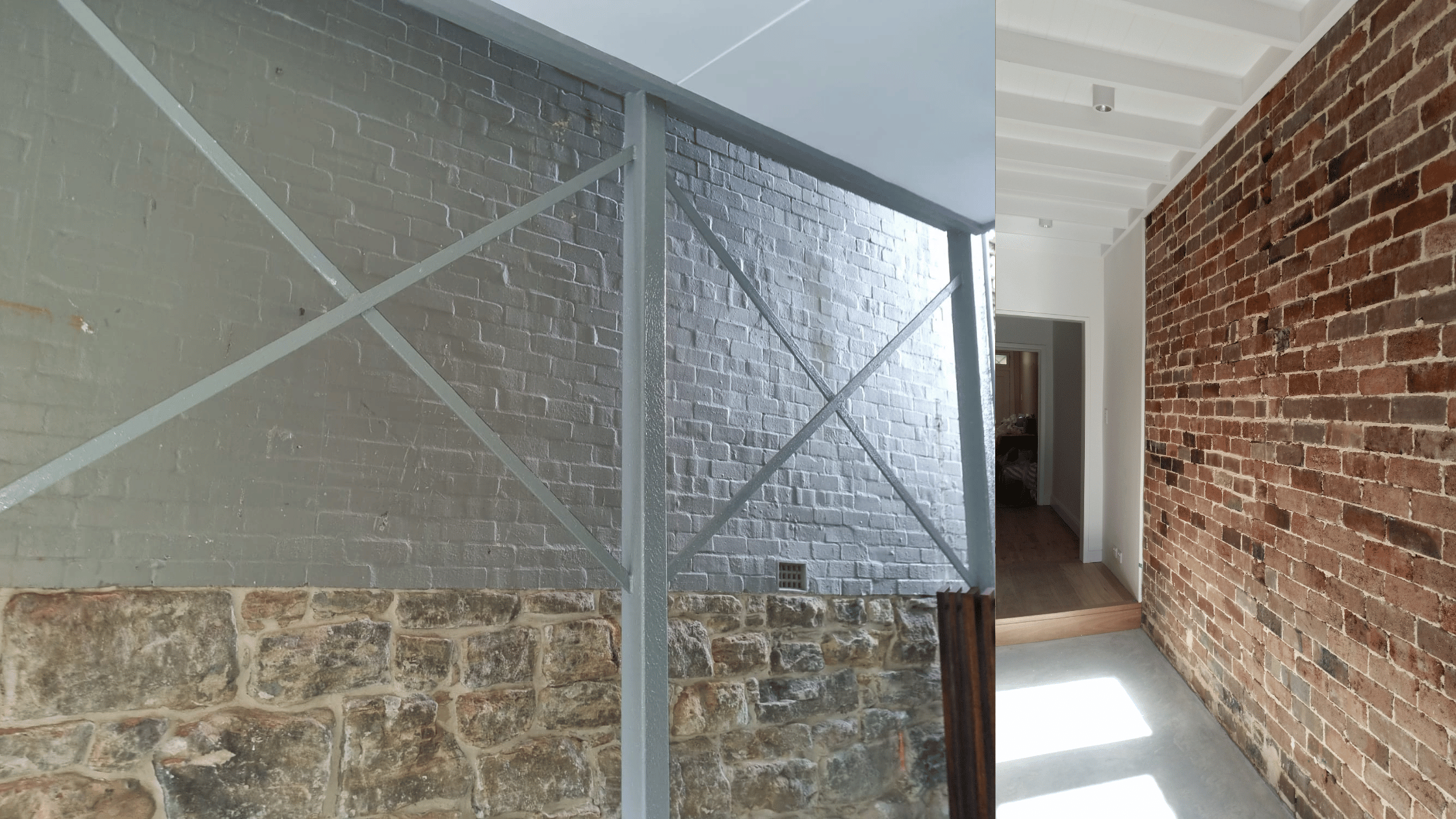
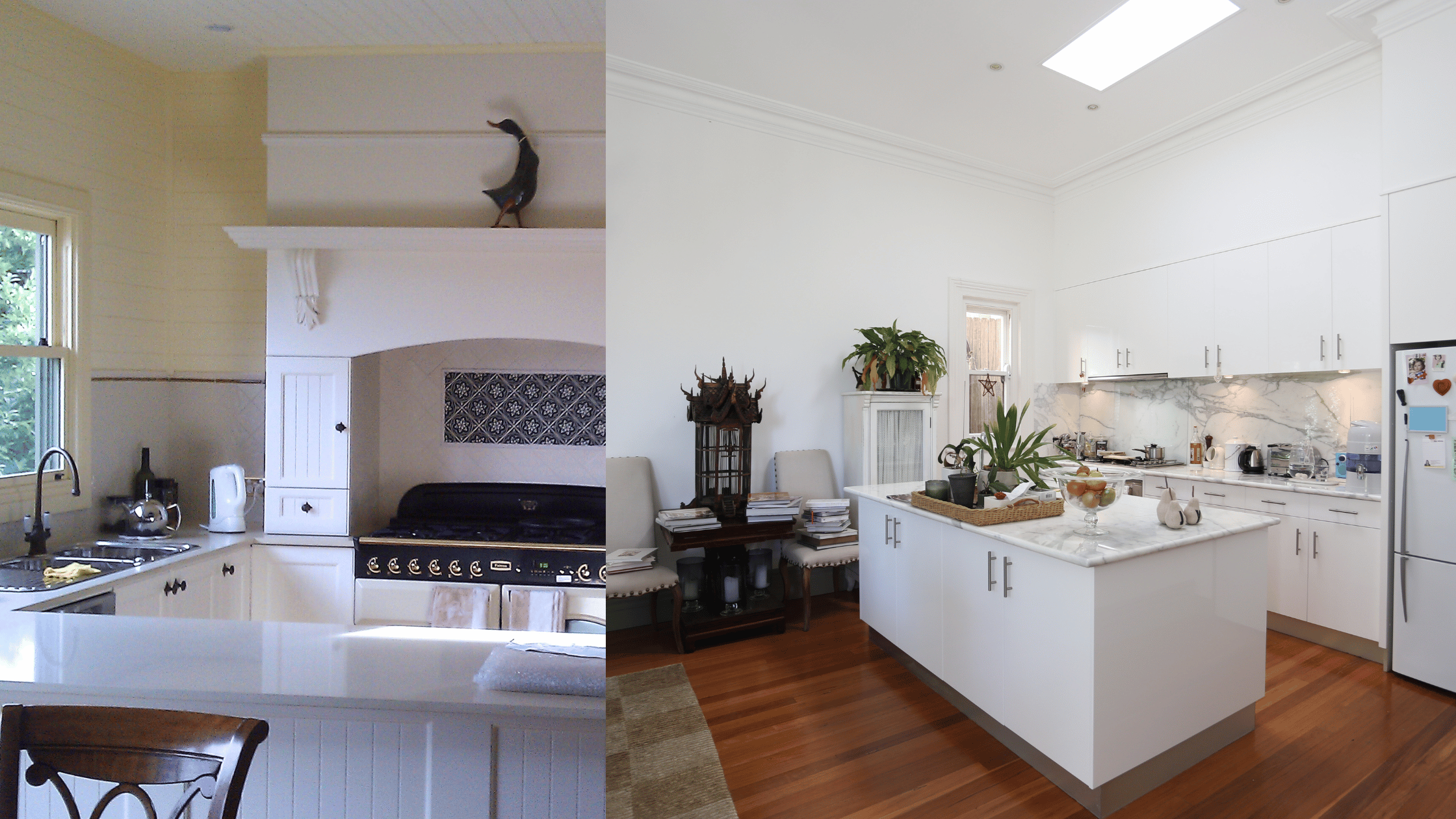
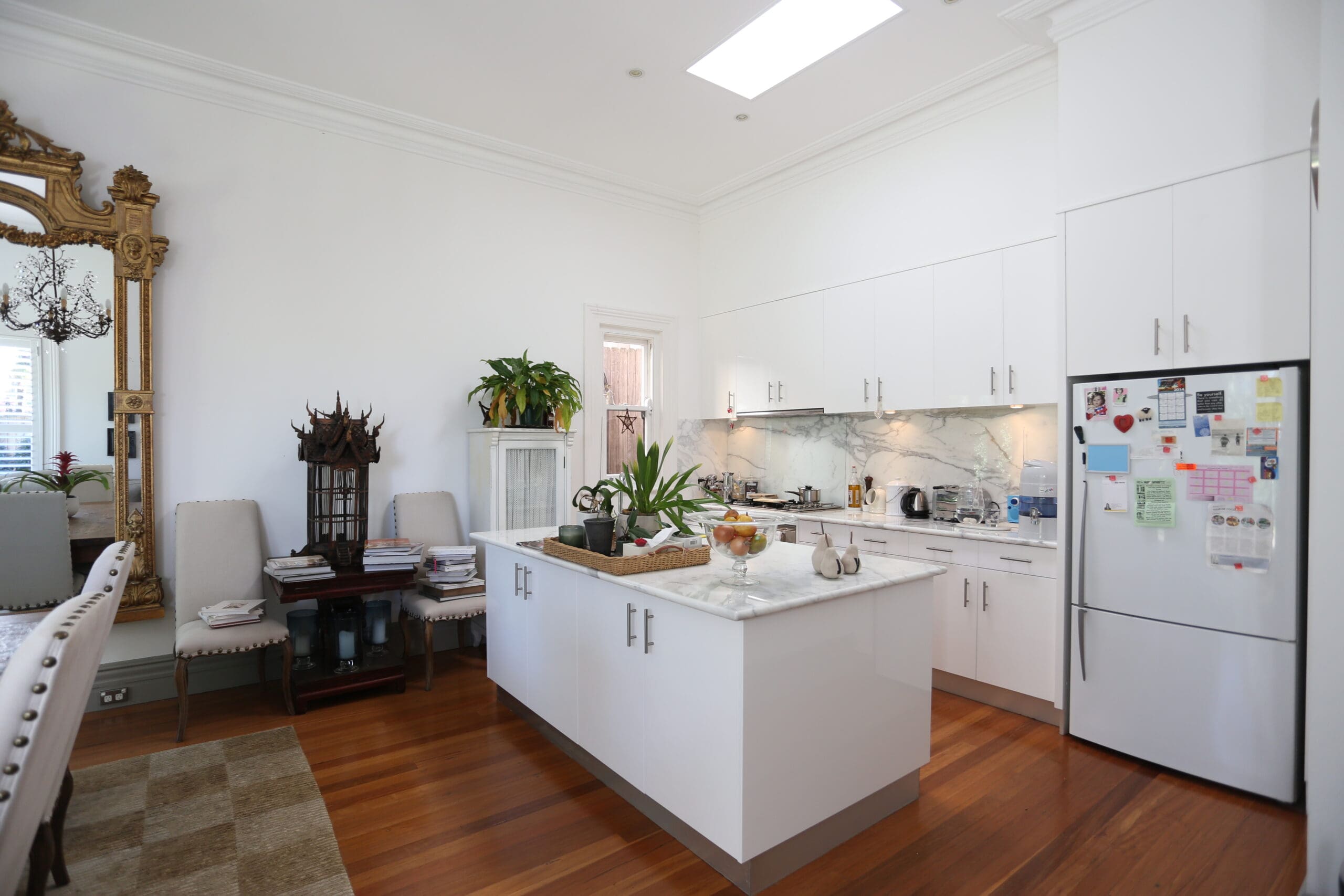
The best extensions don’t just add space; they add harmony. Decide whether you want to match your existing home or introduce a more modern contrast. Whichever you choose, the transition from old to new should feel deliberate and cohesive. Think about materials, lighting, and layout so the new area feels natural rather than separate. If you’re updating features, this is also the perfect time to improve insulation, ventilation, or even introduce smart home upgrades for comfort and efficiency.
Do You Have The Needed Approvals?
Before construction begins, check what approvals you’ll need from your local council. Most extensions require permits such as a development application, building permit, or demolition approval. Councils are particularly concerned about how your plans might affect neighbouring privacy or the look of the streetscape. Many qualified builders can help streamline this process and ensure your plans meet all requirements before work starts.
How Will Construction Affect Daily Life?
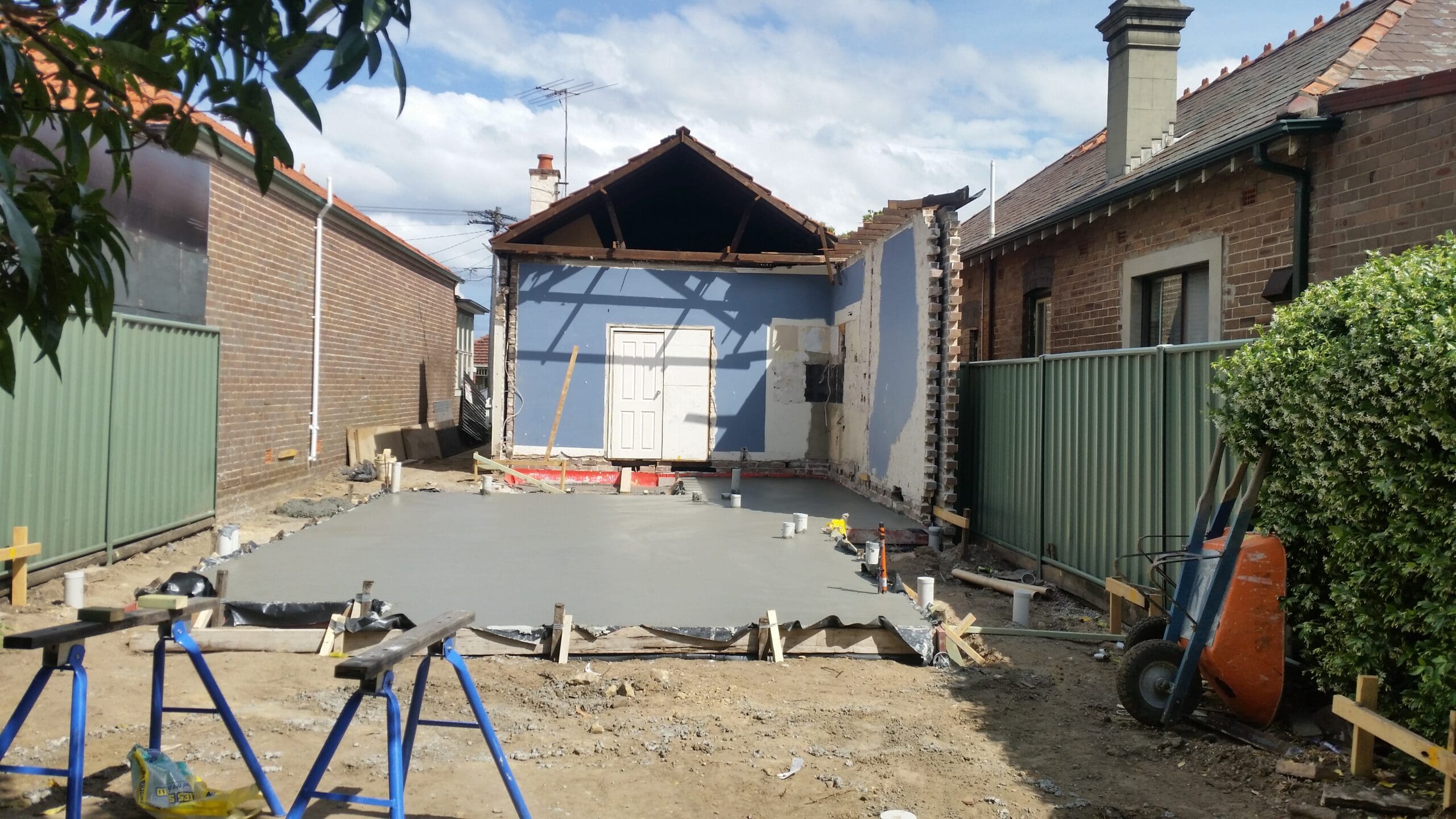
Even smaller extensions can disrupt your routine. If the project affects your kitchen, bathrooms, or main living areas, you might need to move out temporarily. Smaller jobs can take four to six weeks, while larger or two-storey extensions might take several months. Ask your builder for a realistic timeline and discuss staging options if you plan to live on-site. Knowing what to expect will help you prepare your family and manage the impact.
Who’s The Right Builder For The Job?
Choosing the right builder is the foundation of a successful extension. Look for someone licensed, experienced in similar projects, and with strong client reviews. Ask to see examples of their previous work and find out who your main point of contact will be during construction. Good communication keeps things running smoothly and ensures you’re informed at every stage. A reliable builder will be upfront about potential challenges, timelines, and costs, helping you avoid unwanted surprises.
Ready To Get Started?
Asking the right questions before you begin is the simplest way to make your home extension a success. When you know your goals, budget, and approvals, you can approach your project with confidence.
Working with an experienced, licensed builder like Kelida Homes ensures your renovation is handled with care from planning through to completion. Our team has a strong record across Ryde for quality craftsmanship and transparent communication, helping homeowners build the space they’ve always wanted.